
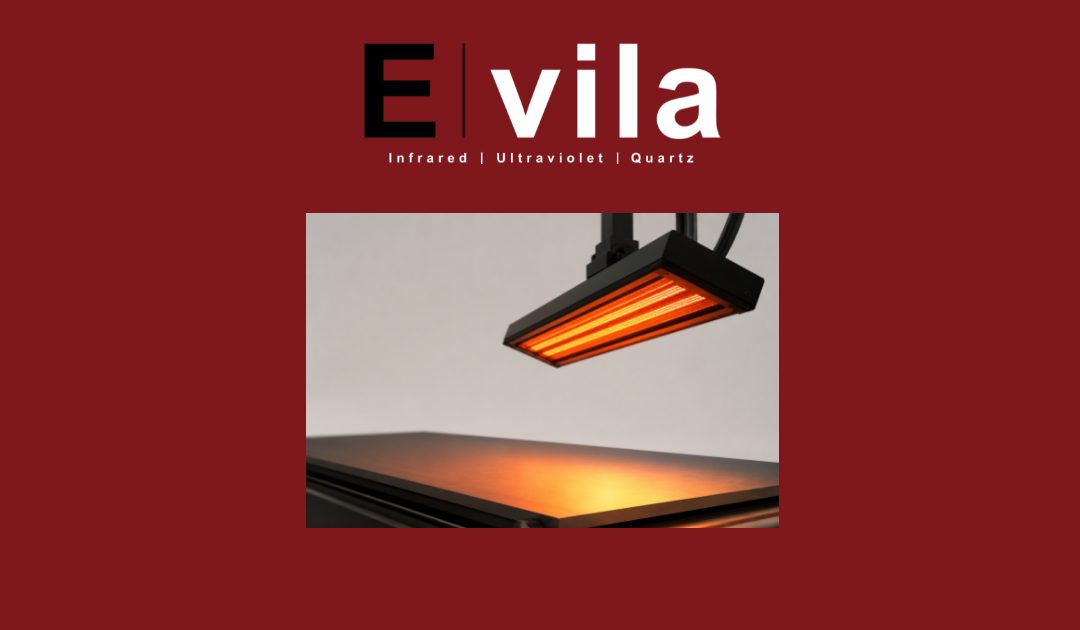
In today’s industrial environment, improving energy efficiency has become a major priority for manufacturers looking to reduce operating costs and meet sustainability goals. As a result, many companies are replacing traditional heating systems with more efficient alternatives such as industrial infrared heating.
Infrared technology offers a faster, more precise, and energy-efficient way to apply heat during industrial processes.
How Industrial Infrared Heating Works
Unlike conventional systems that heat the surrounding air first, infrared heaters transfer energy directly to the surface or material being processed. This direct heat transfer minimizes energy waste and improves overall efficiency.
The concept is similar to how sunlight warms objects without heating the air around them first.
Key Energy-Saving Benefits of Infrared Heating
1. Reduced Energy Loss
Traditional hot air systems often waste energy by heating large surrounding areas or losing heat during air circulation.
Infrared heating focuses energy exactly where it is needed, helping reduce:
- Thermal losses
- Warm-up times
- Overall energy consumption
2. Faster Heating Response
Infrared emitters provide nearly instant heat output, allowing materials to reach the required temperature much faster than with conventional systems.
This helps manufacturers achieve:
- Shorter production cycles
- Increased productivity
- Lower machine operating times
- Reduced energy costs per process
3. Precise Temperature Control
Industrial infrared systems offer highly accurate temperature regulation, which is essential in many manufacturing applications.
Better thermal control helps:
- Prevent overheating
- Reduce material waste
- Maintain consistent product quality
4. Efficient Integration Into Automated Production Lines
Infrared heating systems are compact and modular, making them easy to integrate into automated industrial environments and continuous production lines.
Manufacturers can apply heat only to specific zones without affecting the rest of the workspace, improving process efficiency and reducing unnecessary energy usage.
Common Industrial Applications
Infrared heating is widely used across multiple industries, including:
- Industrial drying
- Thermoforming
- Paint and coating curing
- Plastic processing
- Food production
- Printing and packaging
- Specialized thermal treatments
Each system can be customized according to material type, production speed, and temperature requirements.
A More Sustainable Industrial Heating Solution
Besides reducing operational costs, infrared heating contributes to lower environmental impact by decreasing overall energy consumption.
For many industrial companies, adopting infrared technology supports both sustainability objectives and long-term energy optimization strategies.
Industrial infrared heating has become an efficient alternative to conventional hot air and traditional resistance-based systems. By delivering heat directly, quickly, and precisely, infrared solutions help manufacturers reduce energy consumption while improving process performance.
Investing in infrared heating technology can lead to lower operating costs, improved productivity, and more sustainable industrial operations.